
Creating Ownership • Workshop Facilitation
Unblocking a Stalled Initiative: From Micromanagement to Delivery
How structured workshops and strategic stakeholder management got a year-long strategic project back on track.
After almost a year of errands and false starts, the “Ensemble” initiative that would have seen social features added to the platform was as at a stand still. With no clear ownership or direction, and product teams already busy with existing priorities, the initiative had failed to materialised in the teams’ roadmaps. A seemingly good idea everyone agreed we needed, but no one was actually tackling. At this stage, the steering committee (made up of the company management) had run out of patience and was getting into micromanagement mode when the project was formally given to my team.
As a first priority I ran a workshop with the steering committee to capture their thoughts. I needed to make sure that their concerns and ideas were formally heard and captured in our initial plan, to head in the right direction and avoid further micromanagement. They needed to be confident that we had understood their vision and were taking over from there.
With one of the designers we set out to organise everything gathered in that workshop and saw the emergence of several themes that would act as pillars of the Ensemble project. I presented this work back to the committee to show where we were heading and how we had organised their ideas into a coherent set of design pillars. Once this was done I organised another workshop, this time with my team, roughly based on a release mapping exercise.
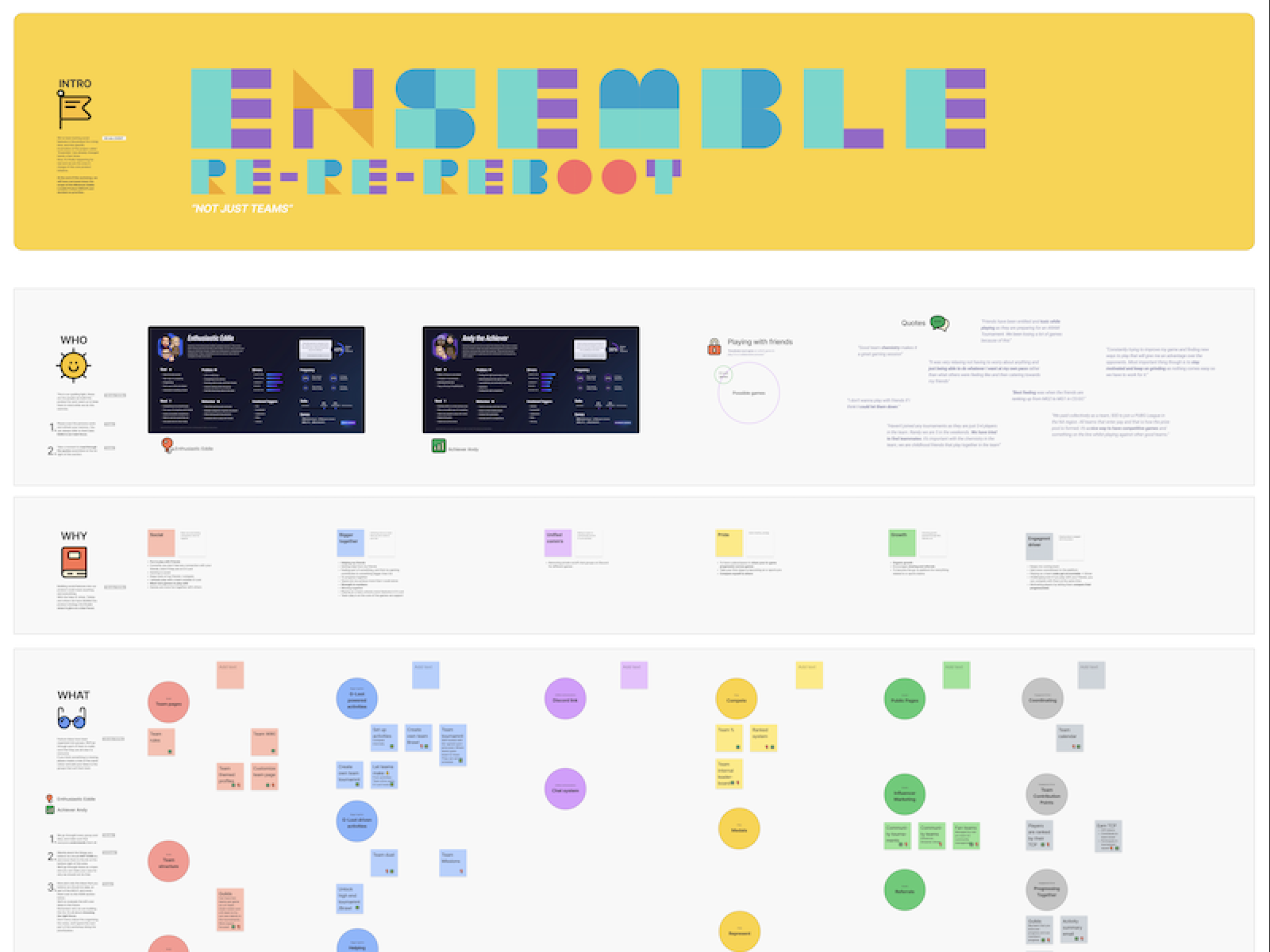
The workshop was structured in 4 main parts
1. Who
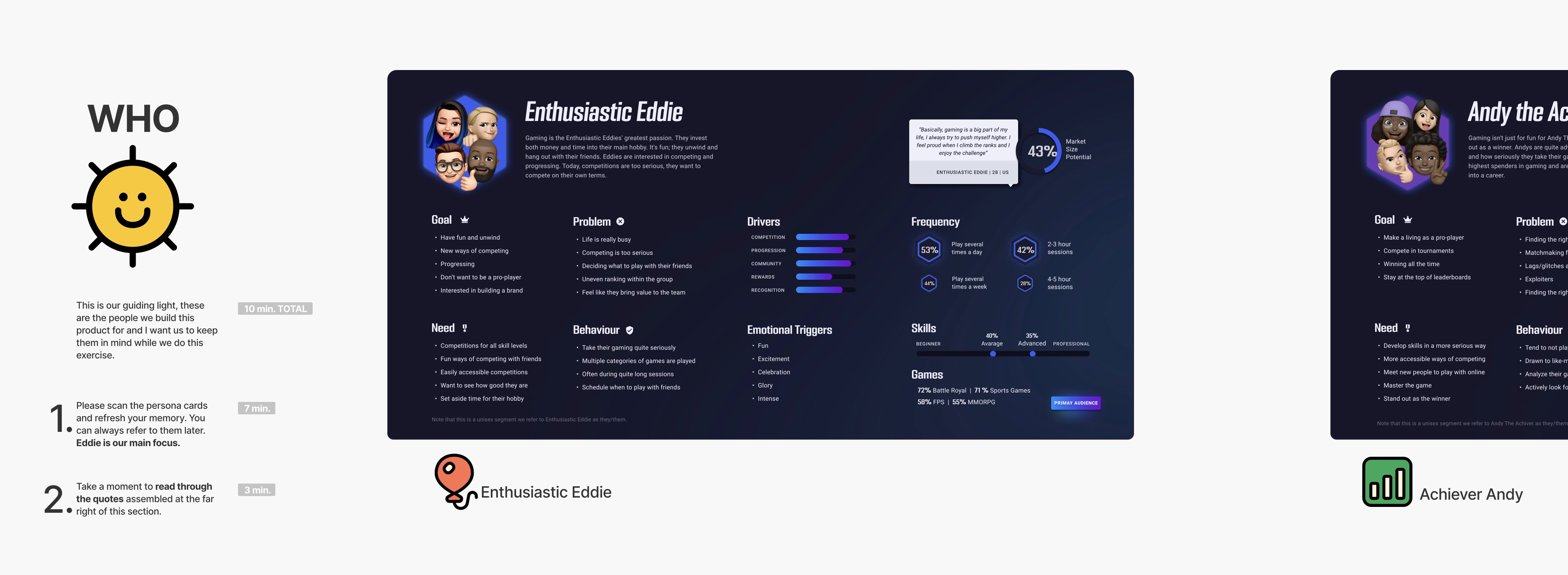
I wanted to anchor all the upcoming work on the research material we had, and dedicated the first 10 minutes to refresh our memories on the specificities of our two main personas. They were plainly displayed on the board for easy reference at any point during the workshop.
2. Why
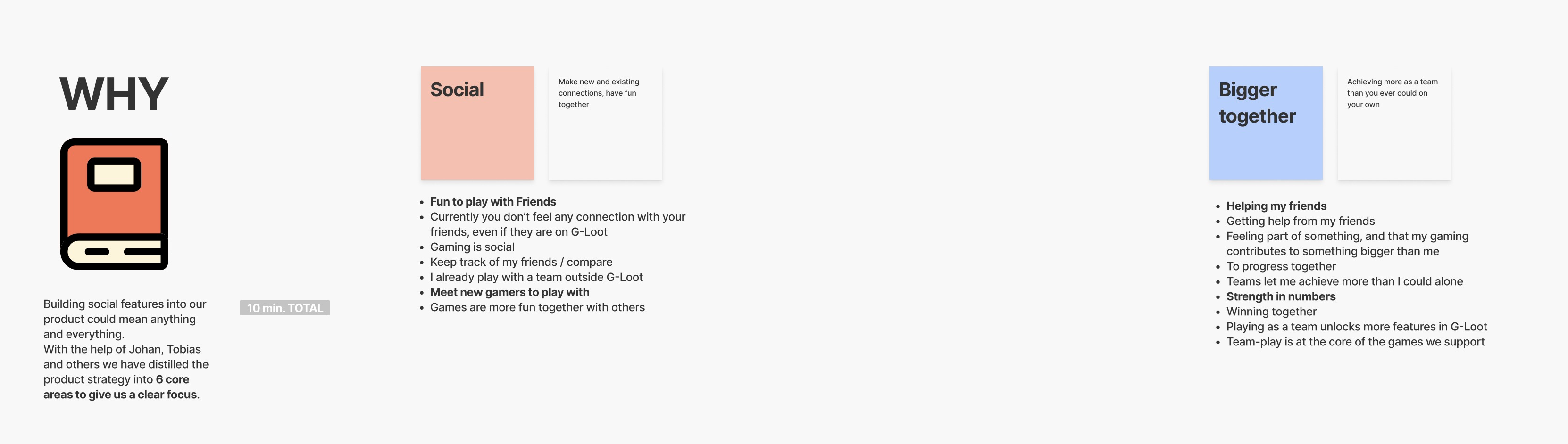
In this part of the workshop I presented the 6 pillars and explained in detail how, together, they supported the overall vision for Ensemble.
3. What
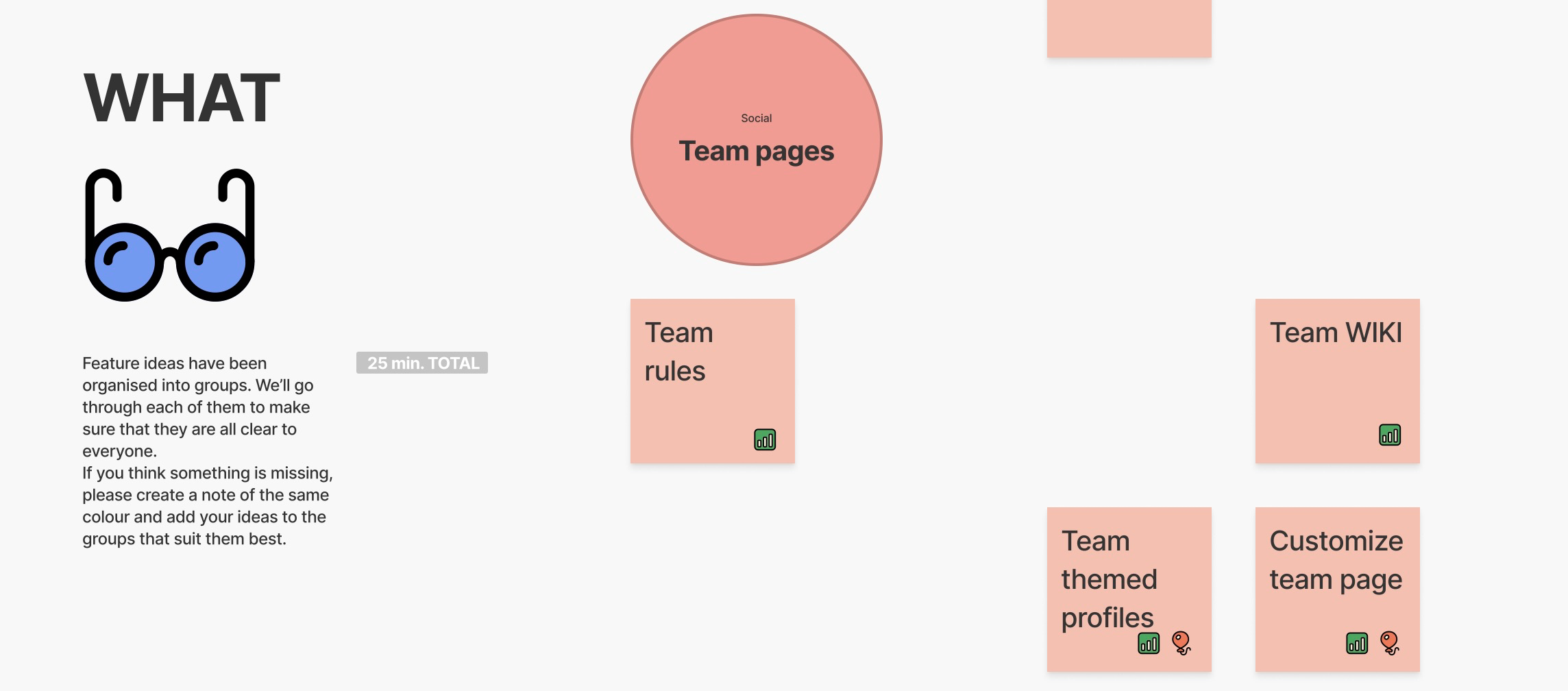
Note the icons on each note that ties specific features to one or both persona. Both were equally important and we needed a way to make sure the product was balanced to appeal to both.
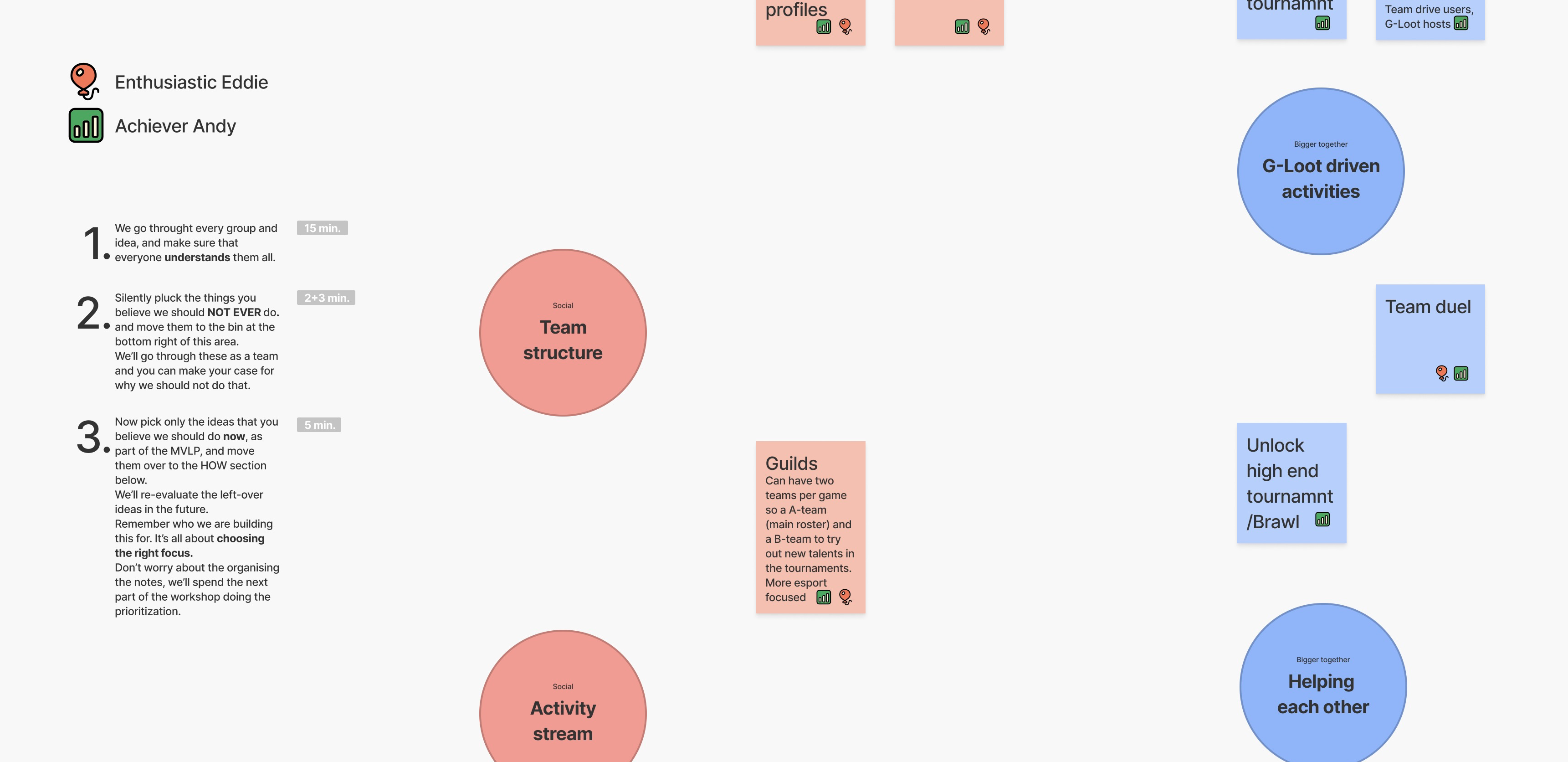
During this part, I wanted the team to really decide what we were going to build and, as important, what not to build (See point 2 above).
4. When
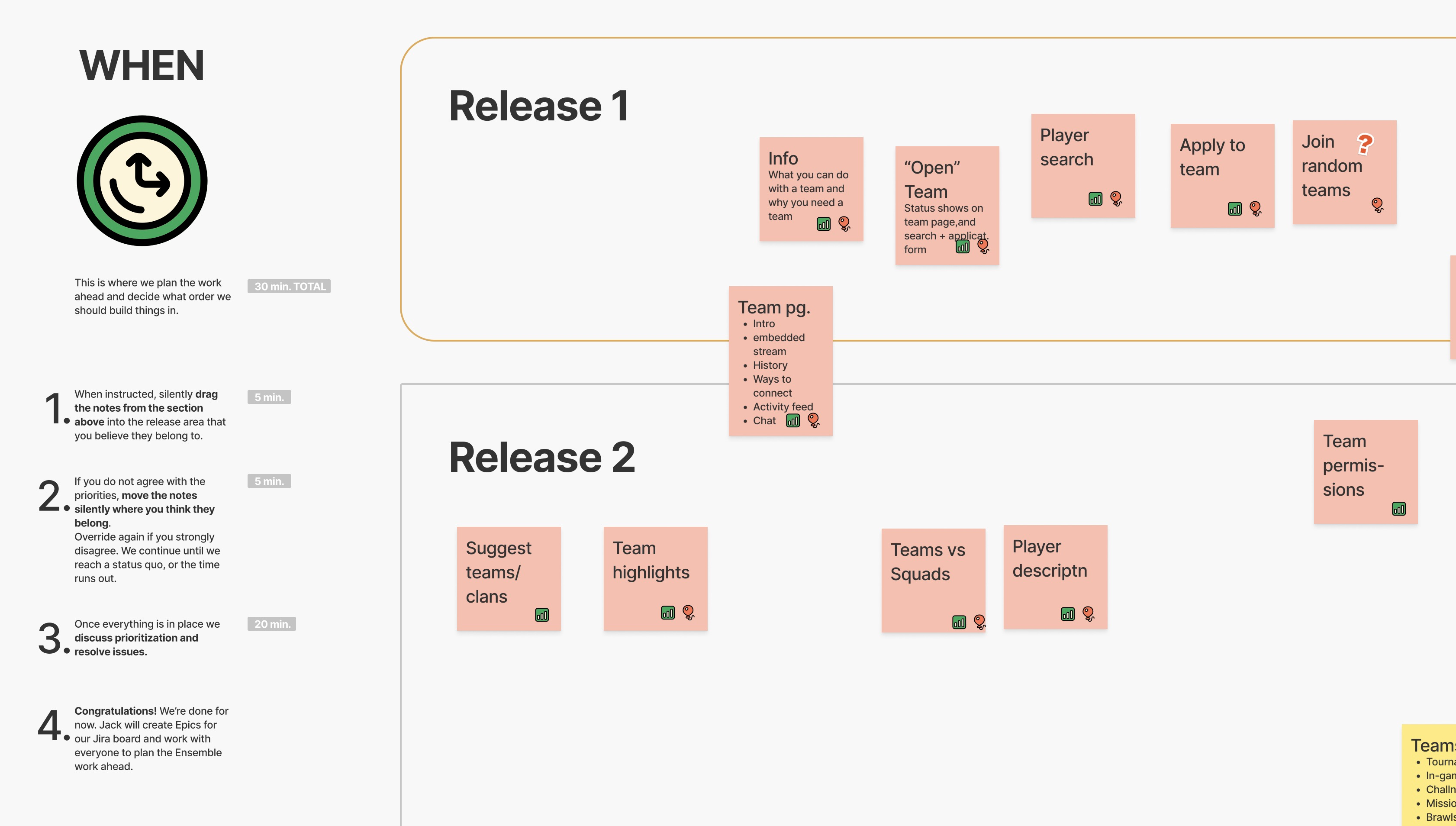
During this part, the team set priorities in silence, something I find particularly effective when there are a lot of people and opinions to settle.